Context
Pin Bar is one of the most commonly used candlestick patterns in price action trading. However, most traders fail with Pin Bars not because the pattern itself is bad, but because they misunderstand its meaning and enter trades too early, before the market confirms anything.
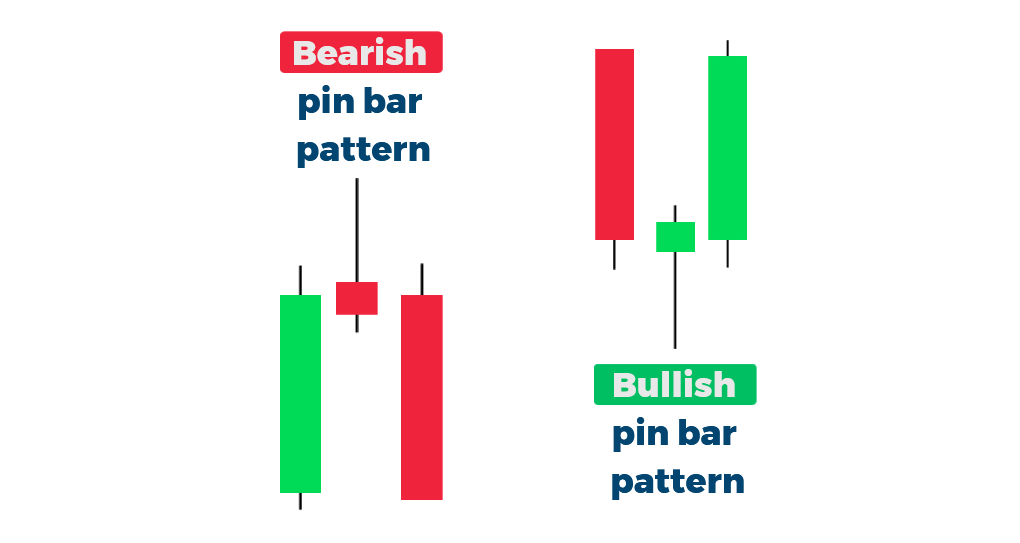
This article focuses on understanding the Pin Bar as a sign of failure from buyers or sellers, and how to reduce noise by using confirmation from the candles that follow.
What Is a Pin Bar?
A Pin Bar is a candlestick with a small body and a long wick extending clearly in one direction. That long wick is not random. It shows that price was aggressively pushed in one direction but could not stay there and was forced back before the candle closed. Types of Pin Bar Patterns
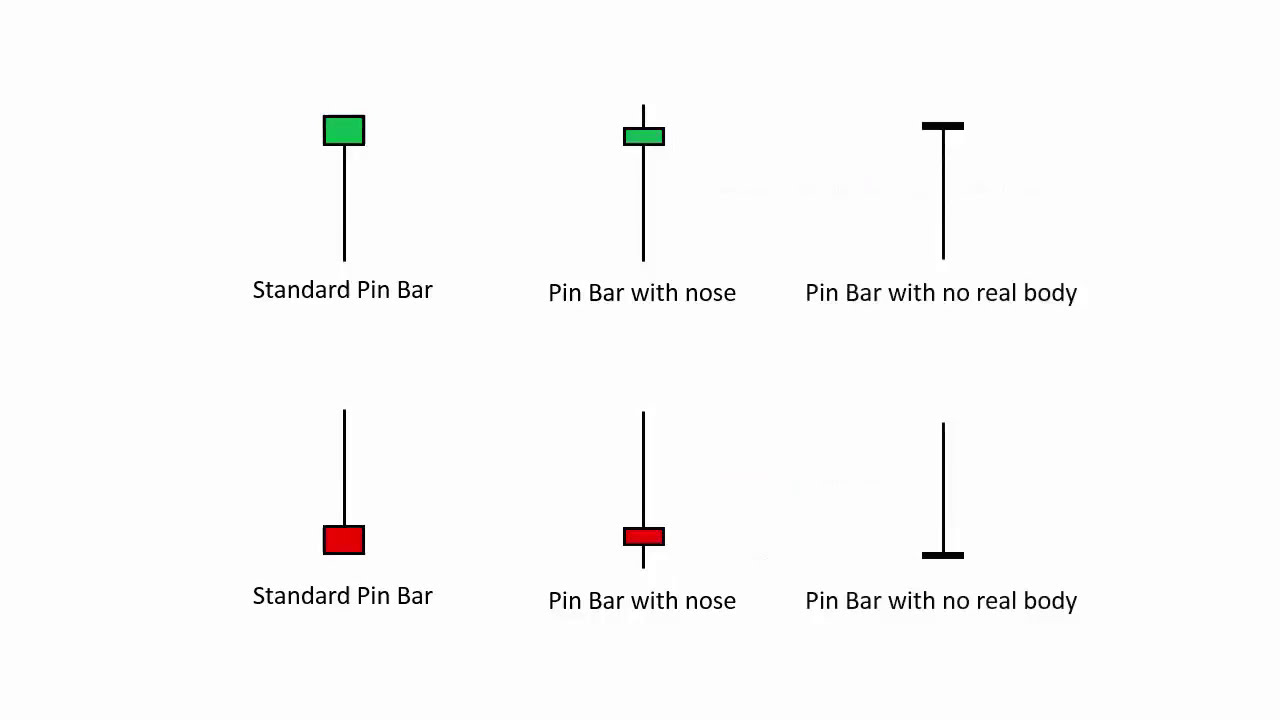
Standard Pin Bar
This is the classic Pin Bar with a small real body and a long wick on one side. It clearly shows price rejection and is the most commonly traded form.
Pin Bar with Nose
This type of Pin Bar has a slightly larger real body, often forming a visible “nose” at one end. Although the body is more noticeable, the long wick still represents strong rejection and market failure.
Pin Bar with No Real Body
In this case, the open and close are nearly the same, creating little to no real body. Despite this, a long wick on one side still signals rejection. This type requires confirmation from the following candle to avoid confusion with a Doji.
Both bullish and bearish Pin Bars can appear in all three forms above. What matters is not the exact shape, but whether the market confirms the rejection shown by the Pin Bar.
The key point is that a Pin Bar is not an entry signal by itself. It is evidence that one side of the market attempted to take control and failed. It reflects market behavior, not a prediction.
What Does a Pin Bar Tell Us?
When a Pin Bar forms, the market is essentially saying: “Price tried to move this way, but it didn’t work.”
A Pin Bar with a long lower wick shows that sellers attempted to push price down, but buying pressure absorbed that move and pushed price back up. A Pin Bar with a long upper wick shows the opposite: buyers failed to hold higher prices and sellers regained control.
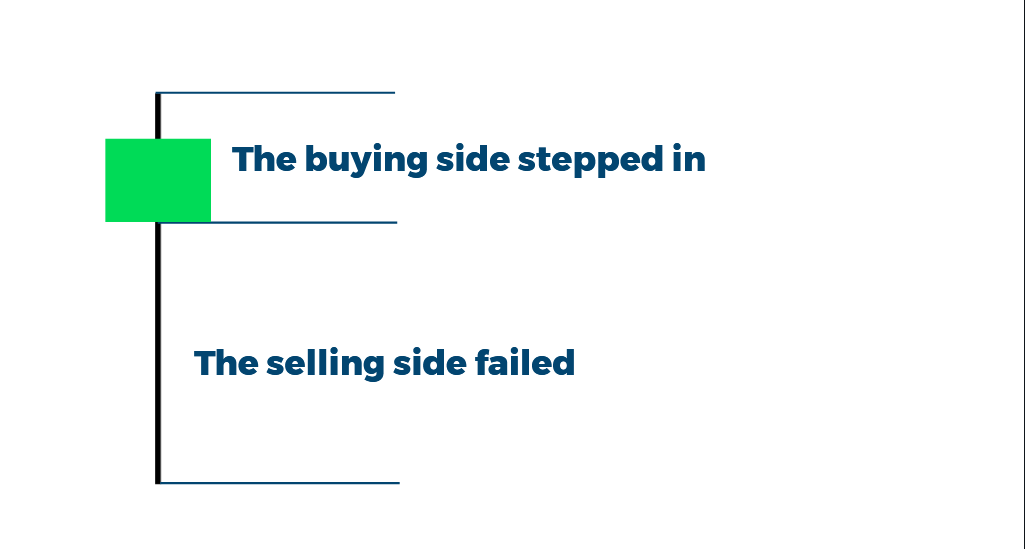
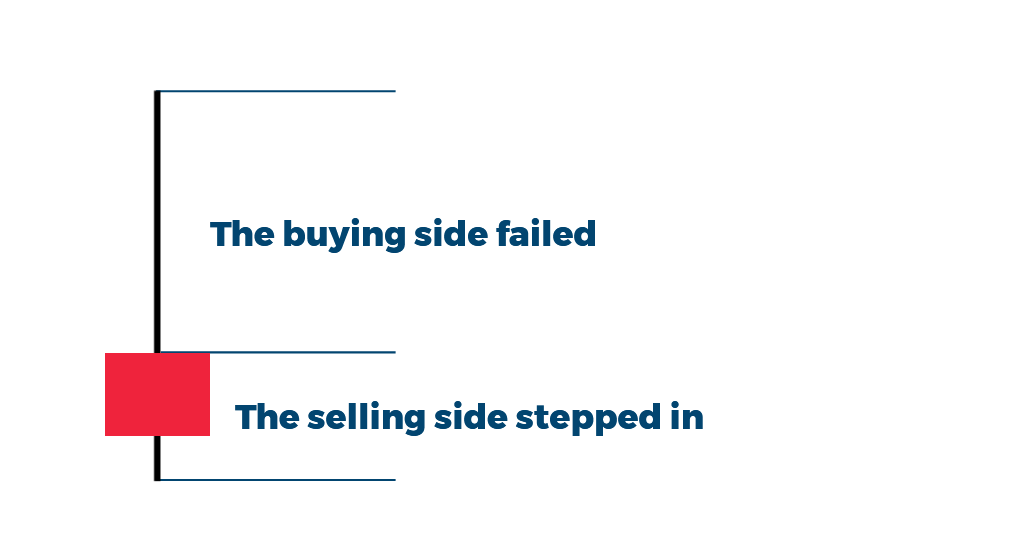
Pin Bars help traders identify failure points, which are often more important than breakout points.
The Problem: Pin Bars Are Noisy
Pin Bars appear very frequently, especially in ranging or low-momentum markets. In these conditions, long wicks often represent short-term indecision rather than meaningful rejection.
A common mistake is trading a Pin Bar immediately after it forms, without waiting to see whether the market actually respects the failure shown by that candle. Without confirmation, many Pin Bars are nothing more than noise.
The Solution: Confirmation After the Pin Bar
Using Price Action and the Z-Pattern Triad Indicator
To reduce noise, a Pin Bar must be read together with what comes next.
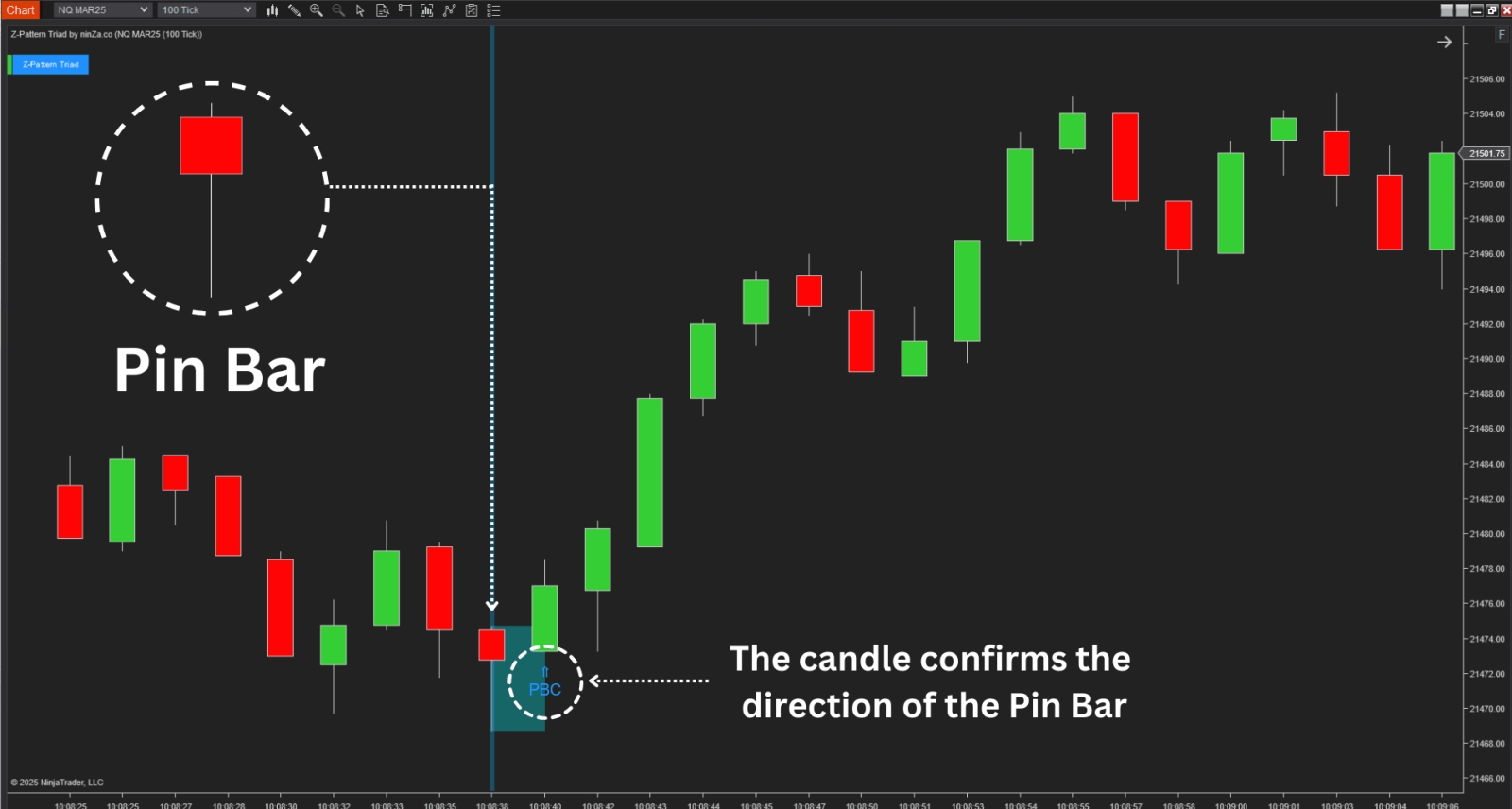
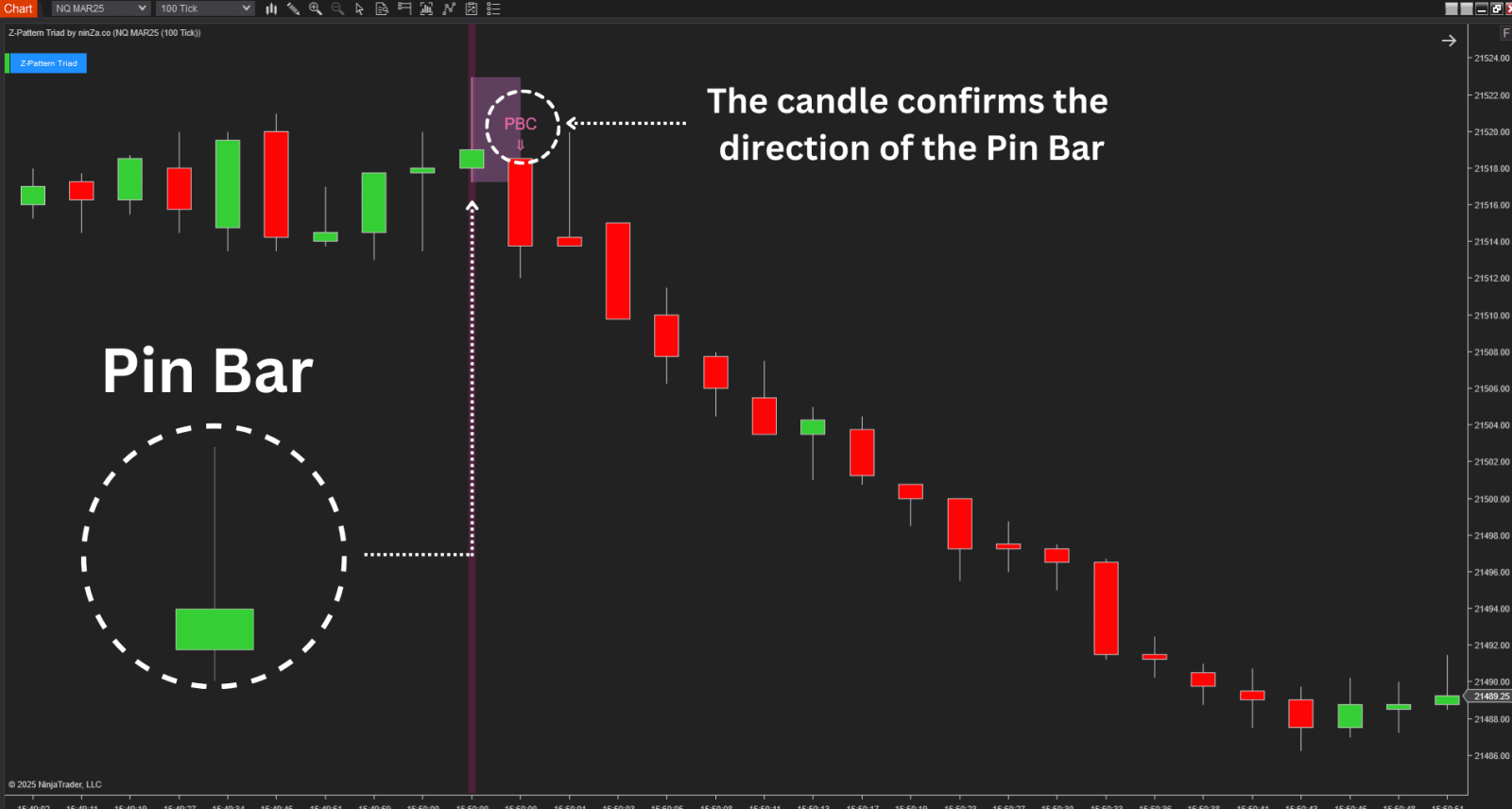
When a bullish Pin Bar appears, it shows that buyers stepped in and sellers failed during that session. However, this information alone is not enough. The Pin Bar becomes meaningful only when it is followed by a strong bullish candle, with a solid body and a confident close. This confirms that buying pressure is not temporary and that sellers truly lost control. In this case, the Pin Bar represents a valid setup for continuation or reversal to the upside.
The same logic applies in reverse for a bearish Pin Bar. A strong bearish candle after it confirms that buyers failed and sellers are now in control.
To make this process more objective, traders can use the Z-Pattern Triad indicator. This indicator identifies three key candlestick patterns, one of which is Pin Bar Confirmation. Instead of guessing whether a Pin Bar is valid or not, the indicator helps traders visually confirm when the market accepts the rejection shown by the Pin Bar.
The Z-Pattern Triad can be used effectively for both reversal trades and trend continuation setups, making it especially useful for traders who want clarity rather than subjective interpretation.
Pin Bar vs Doji – Do Not Confuse Them
An important warning is not to confuse Pin Bars with Doji candles. A Doji represents indecision, where buyers and sellers are balanced and neither side clearly wins.
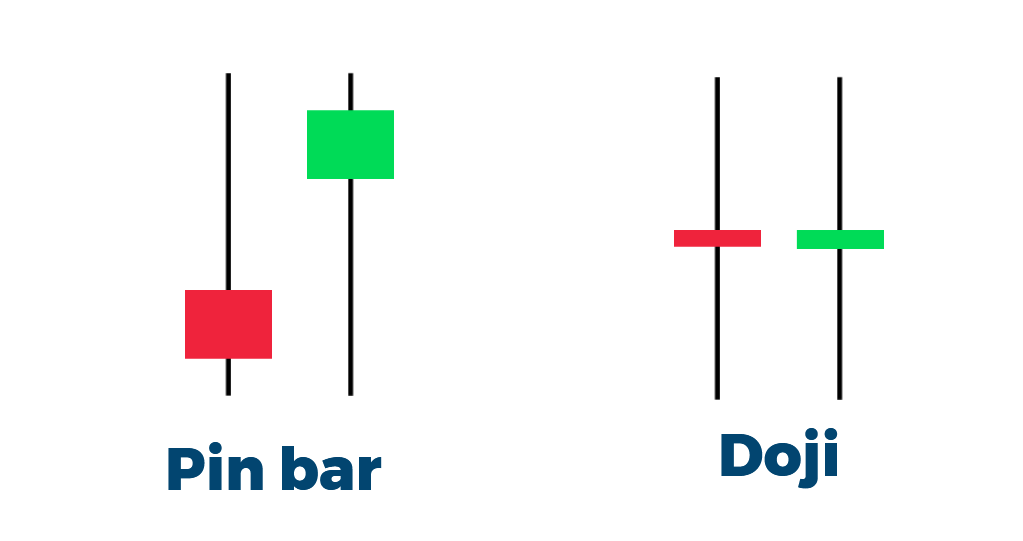
A true Pin Bar always shows clear rejection on one side, expressed by a dominant wick. If there is no clear rejection, it is not a Pin Bar and should not be treated as a failure signal.
Conclusion
A Pin Bar is not a “buy or sell now” signal. It is evidence that one side of the market failed at a specific price level. Only when the market confirms that failure through subsequent price action does the Pin Bar become tradable.
By waiting for confirmation and combining price action with tools like the Z-Pattern Triad indicator, traders can turn Pin Bars from a common trap into a powerful and reliable trading concept.